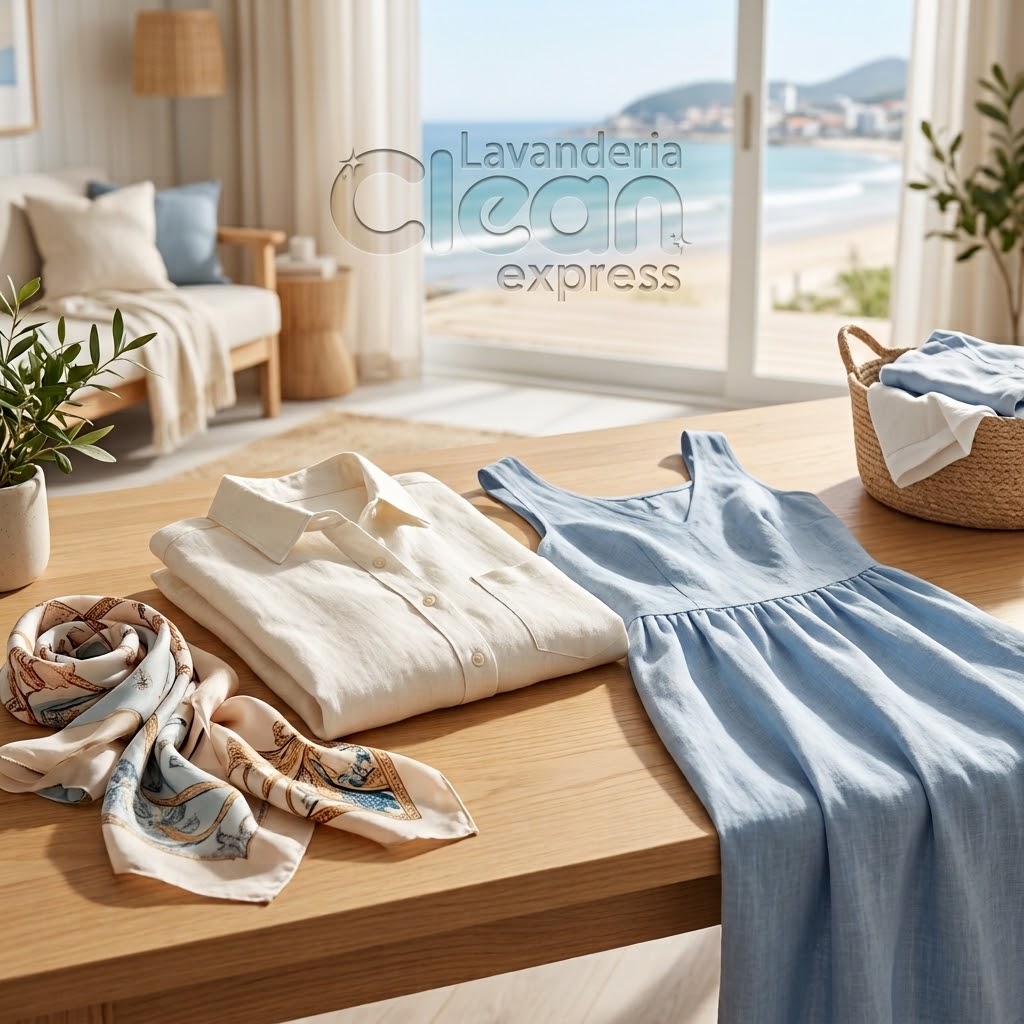
How to Care for Linen Clothing and Delicate Garments in Summer
How to Care for Linen Clothing and Delicate Garments in SummerSummer calls for lightweight, cool, and elegant clothing. Flowy dresses, linen shirts,
delicate blouses, and natural-fabric pieces become essentials on hotter days—
especially in coastal cities like Itajaí, where heat, humidity, and proximity to the
sea are part of daily life.
But do you know how to care for these garments so they stay beautiful, soft, and
drape perfectly throughout the season?
Sweat, sunscreen, salty sea air, stains, and improper washing can
damage fibers and alter the appearance of your clothes. The good news is that a few
simple care steps can help extend the lifespan of your favorite pieces.
In this article, you will learn how to wash, dry, iron, and store linen clothing and other
delicate fabrics, as well as when it is worth using a professional laundry service.
1. Why is linen so highly recommended for summer?
Linen is a natural fiber known for its lightness, durability, and ability to provide thermal comfort. Its structure allows for air circulation and promotes moisture absorption, making the fabric a popular choice for hot days. Linen shirts, trousers, dresses, and matching sets are versatile and elegant. However, despite being a durable fabric, linen requires some care to prevent shrinkage, fading, and stubborn creases.
Tip: Before washing any garment, check the care label. Fabric composition, finishes, and construction details may require different care methods.
2. How to wash linen clothes without damaging the fabric
Proper washing is essential to preserve the texture, color, and shape of the garments.
Here are some important care tips:
● Sort clothes by color: wash white, light-colored, and dark items separately to reduce the risk of color transfer.
● Opt for mild products: use a detergent suitable for the fabric and follow the label’s recommendations.
● Choose a delicate cycle: when machine washing is permitted, opt for a gentle cycle and avoid high-speed spin cycles.
● Do not overload the machine: clothes need space to move during the wash.
● Avoid harsh bleaches: these products can alter colors and weaken the fibers.
● Do not mix with heavy fabrics: denim, thick towels, and garments with zippers can cause unnecessary friction.
It is also important to avoid high temperatures unless recommended by the manufacturer, as heat can contribute to shrinkage and damage certain finishes. To learn about other care practices, read our article on why you should use a laundry service.
3. How to care for silk, viscose, lace, and other delicate garments
Not all lightweight garments can be washed in the same way. Silk, lace, viscose,
embroidered fabrics, and garments with embellishments may react differently to water,
friction, and cleaning products.
To minimize risks:
● Carefully read the care label instructions.
● Avoid rubbing or wringing the fabric forcefully.
● Do not soak delicate items for long periods unless instructed to do so.
● Use protective laundry bags when the label permits machine washing.
● Do not mix delicate items with garments that have hooks, zippers, or
elements that could snag threads.
● If the label specifies professional cleaning, do not attempt to substitute this
with home washing.
Viscose, for example, can lose strength when wet, depending on its construction.
Silk, meanwhile, may undergo changes in color or texture when it comes into
contact with unsuitable products.
Note: If the garment is high-value, structured, lined, features complex embroidery,
or has stubborn stains, seek professional advice before attempting to remove
the stains at home.
4. Sweat, sunscreen, and stains: handling them in summer
On hot days, clothes often accumulate sweat, deodorant, sunscreen, makeup, and residue from other products.
These stains aren’t always easy to spot immediately. Furthermore, some products can react with the fabric, leaving yellowish or dark marks.
To care for your garments:
1. Treat the stain as soon as possible, without scrubbing vigorously.
2. Remove excess product with a clean cloth, pressing gently.
3. Check the care label before applying any stain remover.
4. Avoid hot water, tumble dryers, or ironing while the stain persists, as heat can make removal more difficult.
5. Do not mix different cleaning products or use homemade remedies without verifying their compatibility with the fabric.
Sunscreen stains require special attention, as some formulas can leave stubborn marks. If the stain does not come out with a treatment safe for the garment, professional assessment can help prevent further damage.
5. How to dry linen clothes and delicate items
Drying is a crucial step in preserving the shape and appearance of your clothes.
Whenever possible, opt for air drying, following the instructions on the care label.
For linen:
● Remove the garment from the machine as soon as the cycle ends.
● Gently smooth the fabric with your hands to reduce creases.
● Hang shirts on suitable hangers or lay items flat in a way that prevents them from losing their shape.
● Choose a well-ventilated area protected from intense sunlight, especially for colored clothes.
For delicate fabrics:
● Avoid wringing the fabric to remove excess water.
● When appropriate, gently press the garment between clean towels. ● Dry in the indicated position to prevent the weight of the water from stretching or misshaping the fabric.
● Do not use a tumble dryer unless the label permits it.
Excessive heat can cause shrinkage, distortion, and changes to the finish.
Additionally, storing a garment while it is still damp can lead to unpleasant odors and mold growth.
6. How to iron linen garments without leaving marks
Creases are part of linen’s natural look, but that doesn’t mean the garment
has to look rumpled.
To achieve a good result:
● Check the recommended temperature on the label.
● If permitted, iron the linen while it is slightly damp or use steam properly.
● Iron colored garments inside out when this helps protect the surface.
● Use a pressing cloth for heat-sensitive fabrics.
● Avoid applying excessive pressure to embroidery, appliqués, and delicate seams.
For silk, viscose, and other sensitive fabrics, the temperature requires careful
control. On some garments, steam or the iron itself can leave permanent marks.
If the garment features tailored construction, elaborate pleats, or special finishes,
professional pressing may yield a more uniform result with less risk of
deforming the fabric.
7. How to store summer clothes correctly
Once the garments are clean and completely dry, store them in a clean,
dry, and well-ventilated closet.
A few simple recommendations help preserve your wardrobe:
● Use appropriate hangers for shirts, dresses, and structured garments.
● Fold items that might lose their shape when hung.
● Avoid overcrowding or compressing the clothes.
● Do not store fabrics in sealed plastic bags for long periods.
● Ensure there is no moisture in the closet before storing the garments.
● Check the clothes periodically, especially in humid environments.
In Itajaí, where humidity can be a challenge for much of the year, keeping the closet
ventilated and storing only completely dry clothes is particularly important.
For further guidance, check out our article: How to prevent mold on clothes during
winter: 8 tips to protect your garments from humidity.
8. When is it worth taking delicate clothes to a
professional laundry service?
While many garments can be cared for at home, some situations require extra
attention. Improper washing can cause shrinkage, fading, loss of
shape, or damage to finishes.
Consider using a professional laundry service when the garment:
● Has a label indicating professional cleaning.
● Has stubborn stains from sunscreen, makeup, or sweat.
● Features embroidery, appliqués, linings, or special finishes.
● Requires careful ironing to restore its appearance.
● Is made of delicate fabrics or fiber blends that require
specific treatment.
Professional care allows for an assessment of the garment’s characteristics and the selection
of the most suitable procedure, based on the label, composition, and fabric condition.
At Lavanderia Clean Express, caring for clothes also means valuing the garments
that are part of your daily routine. For those who want to enjoy summer with convenience,
relying on a specialized service can help preserve the appearance and durability of your
wardrobe.
9. Frequently asked questions about caring for linen
and delicate garments
Can I machine-wash linen?
Many linen garments can be machine-washed, provided the care label allows it. Use a
gentle cycle, a suitable detergent, and a temperature that complies with the
manufacturer’s instructions.
Does linen shrink after washing?
It can shrink, especially when exposed to high temperatures or improper drying
methods. Following the care label instructions helps minimize this risk.
Can I use fabric softener on linen?
There is no one-size-fits-all rule for every fabric and finish. Check the label and the
manufacturer’s recommendations. Avoid the indiscriminate use of fabric softeners,
especially on garments that require specific care.
How do I remove sunscreen stains from delicate garments?
The method depends on the fabric and the sunscreen’s composition. Avoid scrubbing
vigorously, using harsh products, or applying heat before the stain is removed. For
delicate items or stubborn stains, seek professional advice.
How can I prevent delicate garments from losing their shape?
Follow the washing method indicated on the label, avoid wringing the fabric, control
drying temperatures, and store each garment in a way that suits its structure.
Is it worth having delicate garments professionally cleaned?
Yes, especially for items that require special handling, have tough stains, or feature
finishes that could be damaged by improper cleaning methods. A professional
assessment helps determine the most appropriate care for each garment.
Conclusion: enjoy summer without neglecting your
clothes
Linen and delicate garments are excellent choices for hot days, but their
longevity depends on proper care. Sorting clothes correctly, using compatible products, avoiding excessive heat, and storing garments only when completely dry are habits that make a real difference.
When you have questions about washing, face stubborn stains, or need careful ironing, relying on a professional laundry service can be a practical way to better care for your wardrobe.
Clean Express Laundry takes care of your clothes so you can enjoy summer with greater convenience and peace of mind. Check out our locations and discover our services.


